
English
The Journey of the Original "Big Hina Matsuri" in Awa Katsuura: Sharing Hina Dolls with the World
Katsuura Town is nestled in a mountainous area about a 40-minute drive from Tokushima City. Having thrived as the birthplace of the Awa mandarin (mikan) orange, the town transforms every year, starting around November, when orchards heavy with golden fruit dot the landscape.
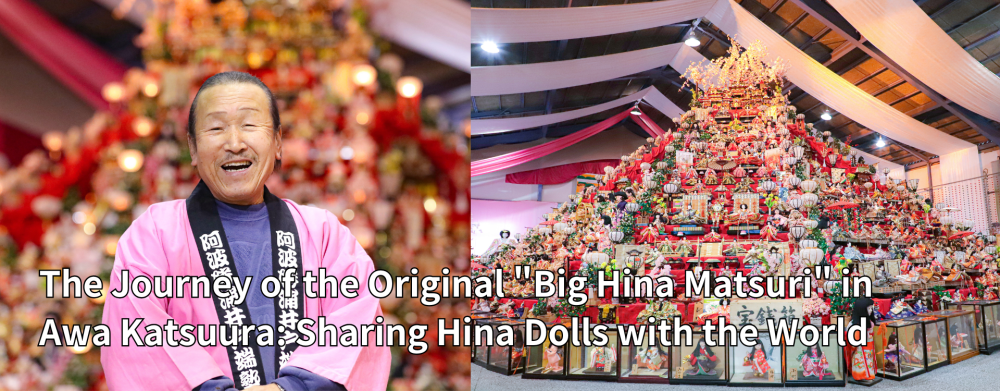
However, the true hallmark of spring in Katsuura is the unique "Big Hina Matsuri." Every year, around 25,000 visitors come to the town to marvel at the spectacular display of 30,000 gorgeously decorated Hina dolls.
30,000 Hina dolls welcome you
As soon as you step into the Doll Culture Exchange Hall, the main venue for the original Big Hina Matsuri (Girls' Festival), you are greeted by a stunning array of Hina dolls. The hall showcases approximately 30,000 dolls, and in 2026,the festival will celebrate its 38th anniversary.
The absolute showstopper is the "100-Tier Display," located in the center of the hall and towering to a breathtaking height of approximately eight meters.
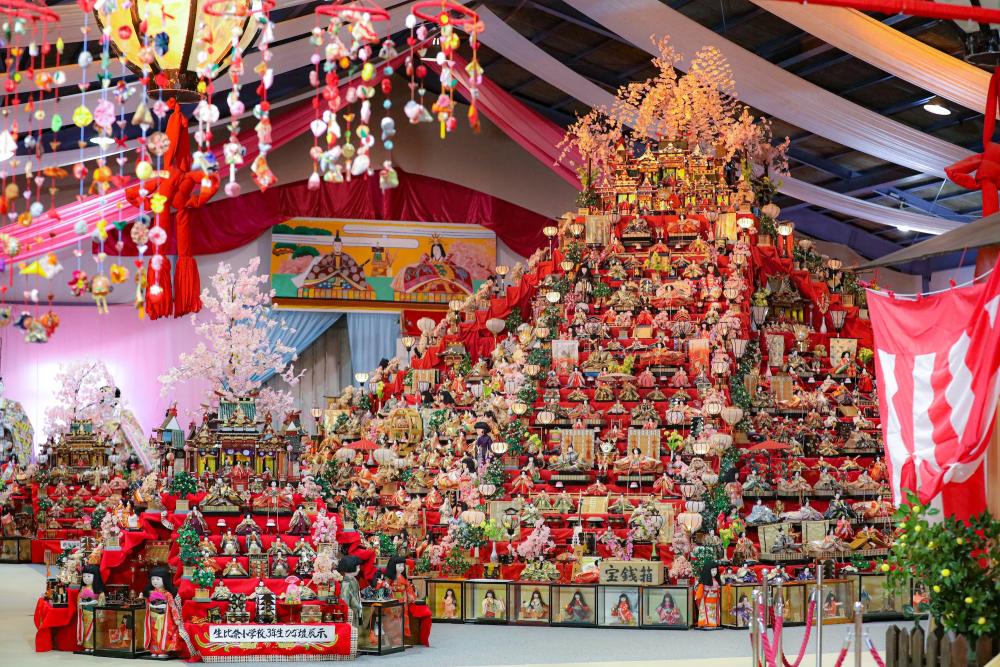
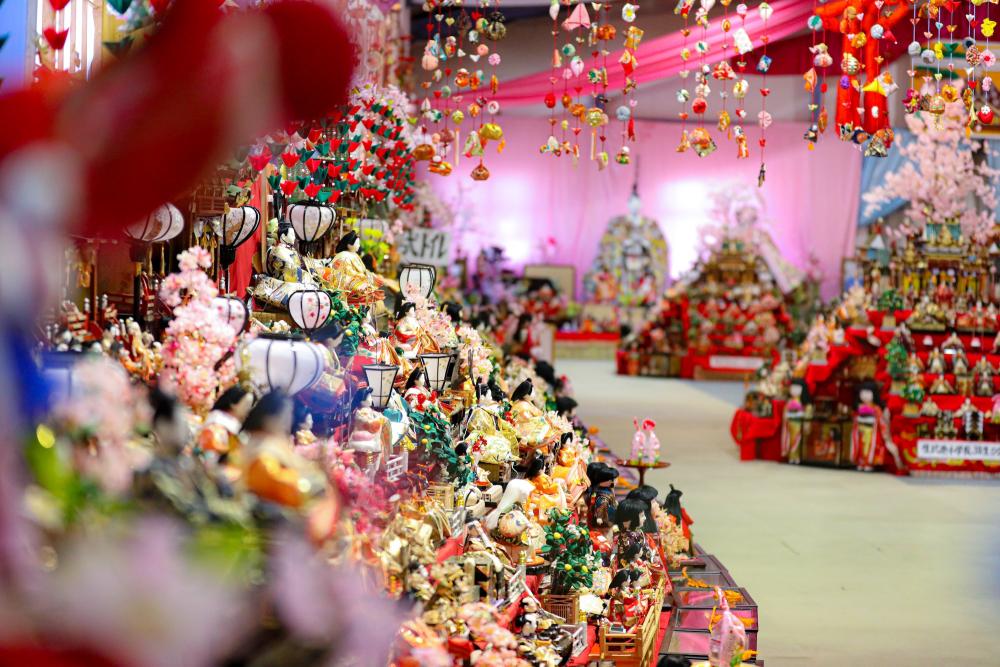
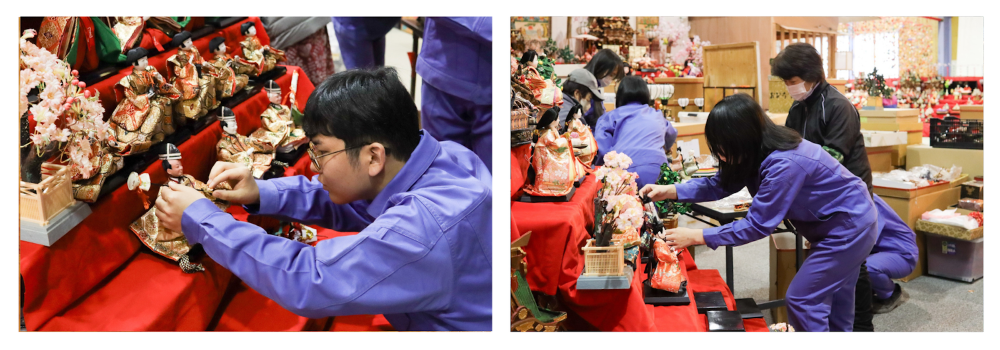
Each doll has a unique face and costume. You will have the opportunity to examine each one closely. The beauty of each item stands out, from the luxurious and glamorous to the elegant and calm.
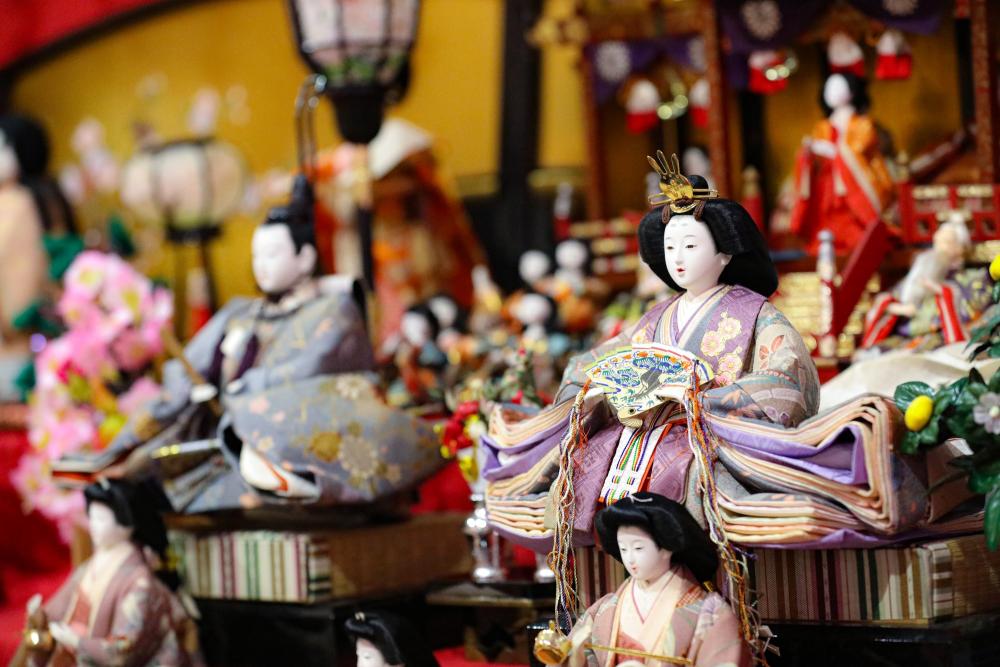
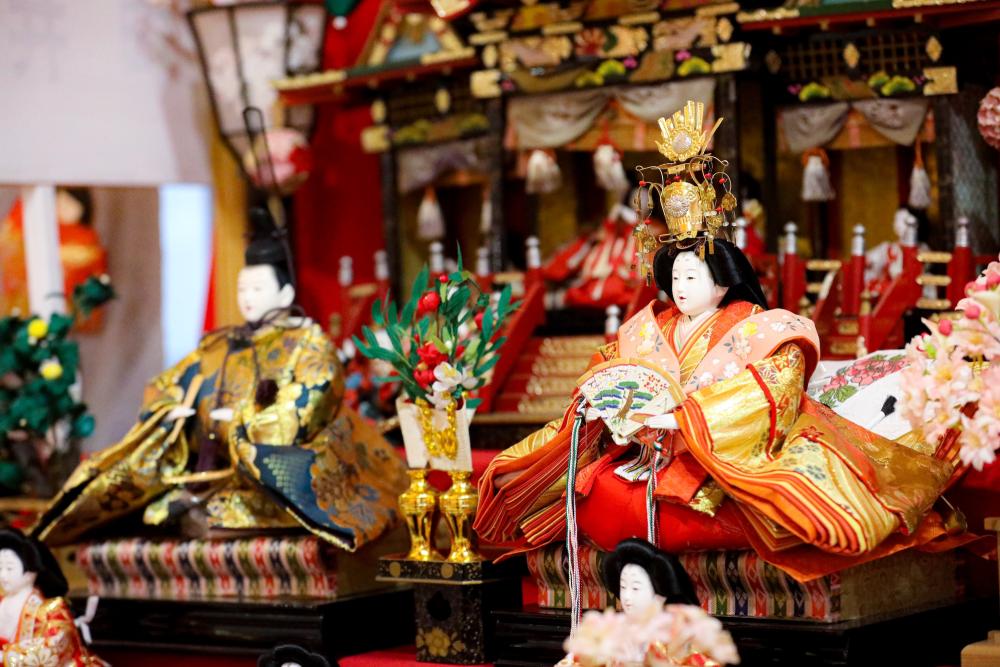
Each of the three female officials, the five musicians playing Noh music, the ministers of the right and left who protect the lord, and the servants responsible for cleaning the palace and performing other miscellaneous tasks has their own unique characteristics.
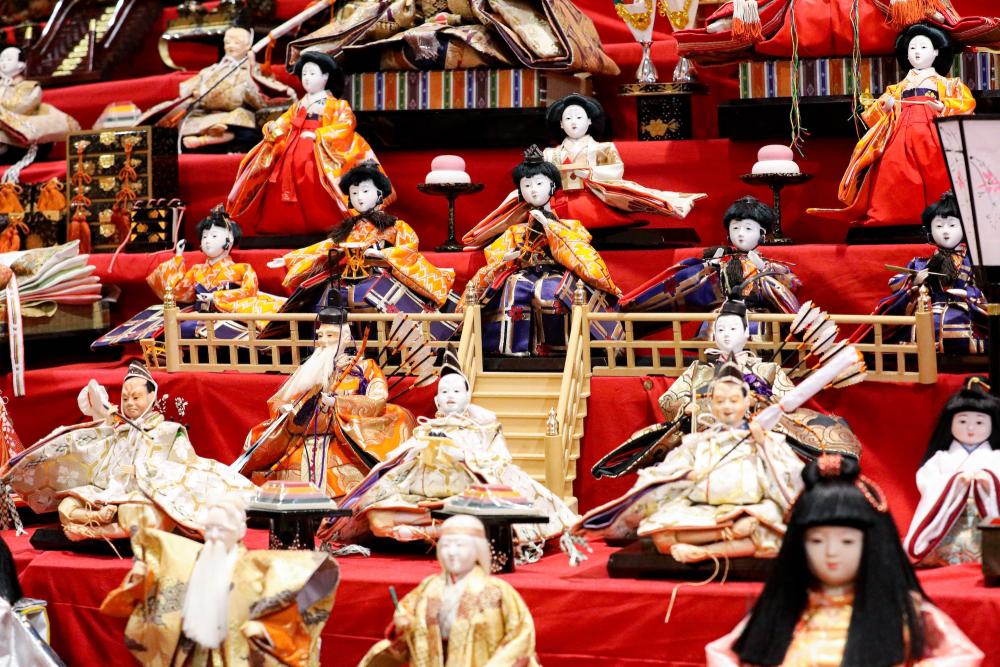
The "Nationwide Change Hina" exhibit features Hina dolls representing cultures from across the country.
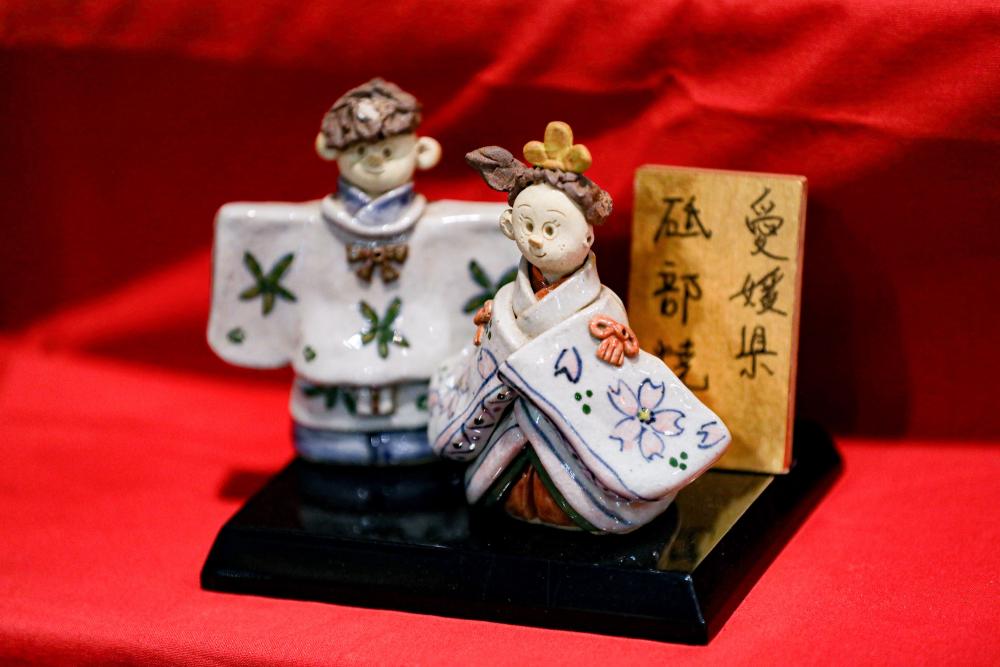
The "Hyakunen Bina" exhibit showcases the evolution of Hina dolls over the past 100 years.
"Awa Idobata Juku" is the organizer of this major event in Katsuura Town.
The original "Big Hina Matsuri" is organized by members of the NPO Awa Idobata Juku, also known as "Idobata Juku," which is based in Katsuura Town.
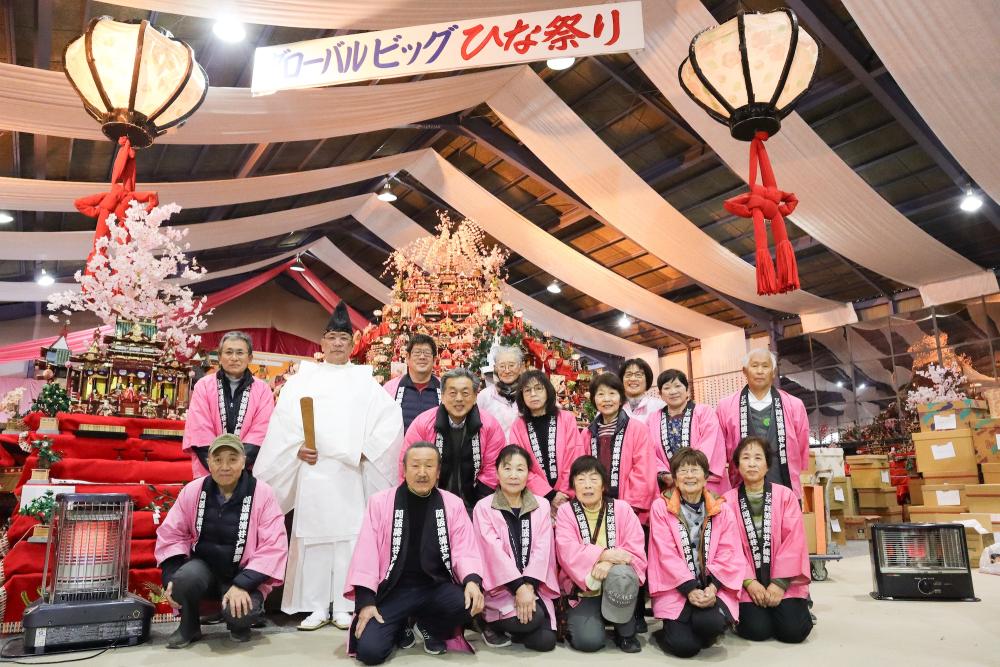
This event, which has been running for about 40 years, is filled with people who love Katsuura and its drama. We spoke with Ichiji Kunikiyo, the representative.
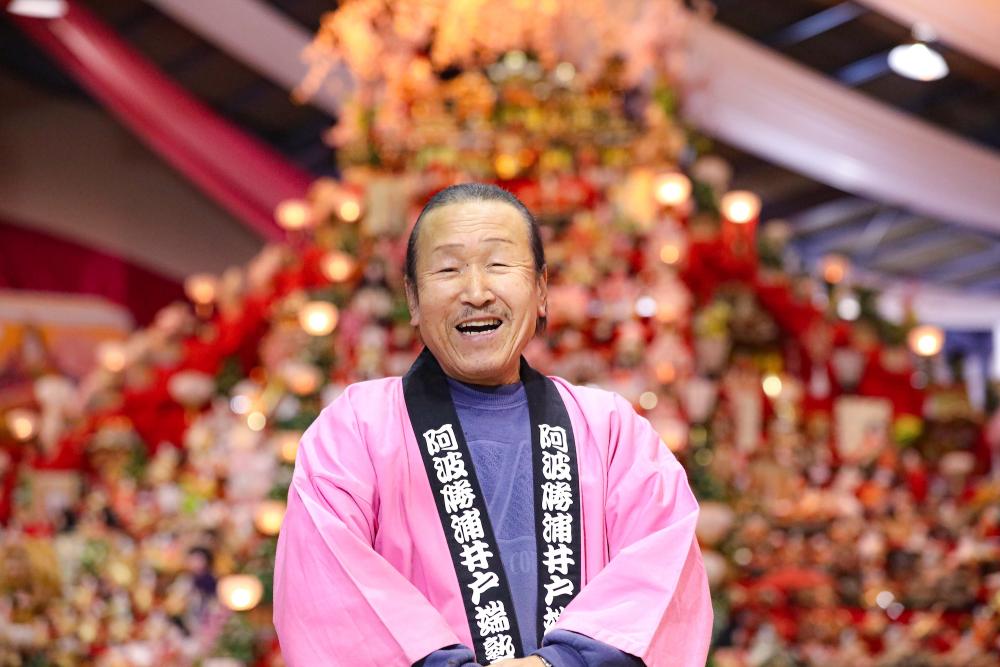
The first "Big Hina Matsuri" took place in 1988 (Showa 63). However, its origin traces back to a specific crisis that shook the town of Katsuura.
Since the Taisho era (1912–1926), mandarin orange production had been a cornerstone of the town’s economy. However, in February 1981, a record-breaking cold snap devastated the region. The frost damage was so severe that approximately 60% of the mandarin trees withered and died. The disaster was officially designated a national "extreme disaster," and a heavy, somber atmosphere hung over the entire community.
"We felt that if we did nothing, the town would reach a dead end. We had to do something," a member recalls. In 1985, ten volunteers from the town hall—all of whom were in their 30s at the time—formed a revitalization group called "Chiebukuro" (The Brain Trust). They simply couldn't stand by and watch their town fade away.
For the next three years, the Chiebukuro members studied tirelessly to find a local resource they could promote nationwide. However, finding something unique to Katsuura proved difficult.
"We brainstormed many ideas, but most were either already events in other places or famous elsewhere in Shikoku. That’s when we decided to create something entirely new. We turned our attention to Hina dolls. While 'Carp Streamer' events for Children's Day were common across Japan, no one was hosting a major event centered on Hina dolls at the time."
Armed with this vision, they rented the town gymnasium and held the first festival, which featured the now-famous 100-tier doll display.
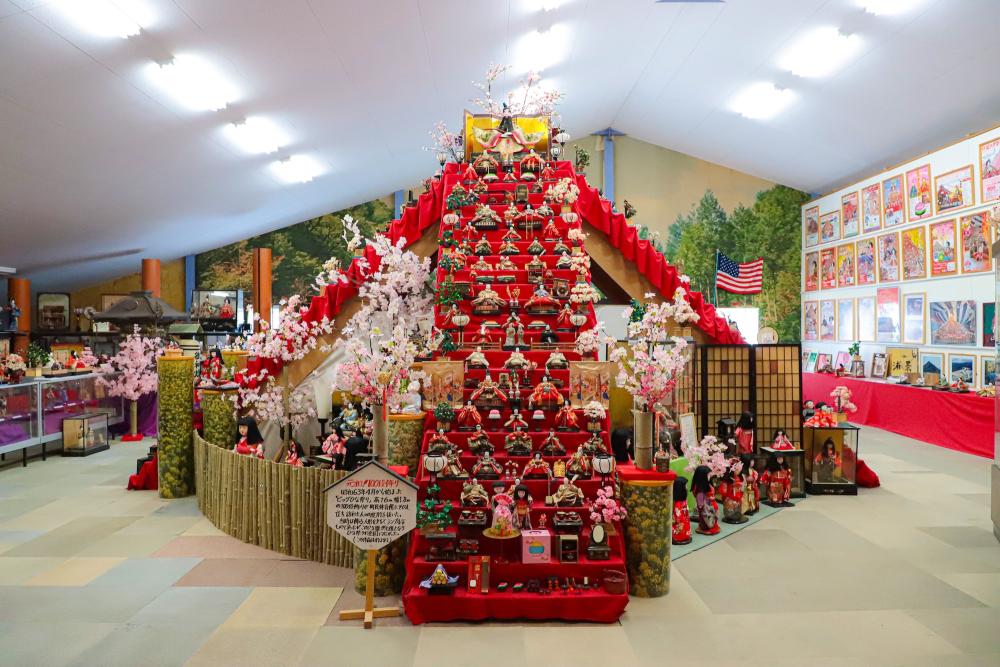
“We calculated that we would need at least 1,000 dolls to fill a 100-tier display. But honestly, we had no idea how we were going to make that happen!” (Laughs.) We knew we had to try, so we put out a call for dolls in the newspapers and through word of mouth. We were flooded with calls from people outside the town, even from Tokushima City, and the dolls began to pour in. Initially, we just wanted to borrow the dolls and asked where to return them. But everyone said the same thing: 'You don’t need to return them.' That was the moment I realized people were struggling with what to do with their dolls."
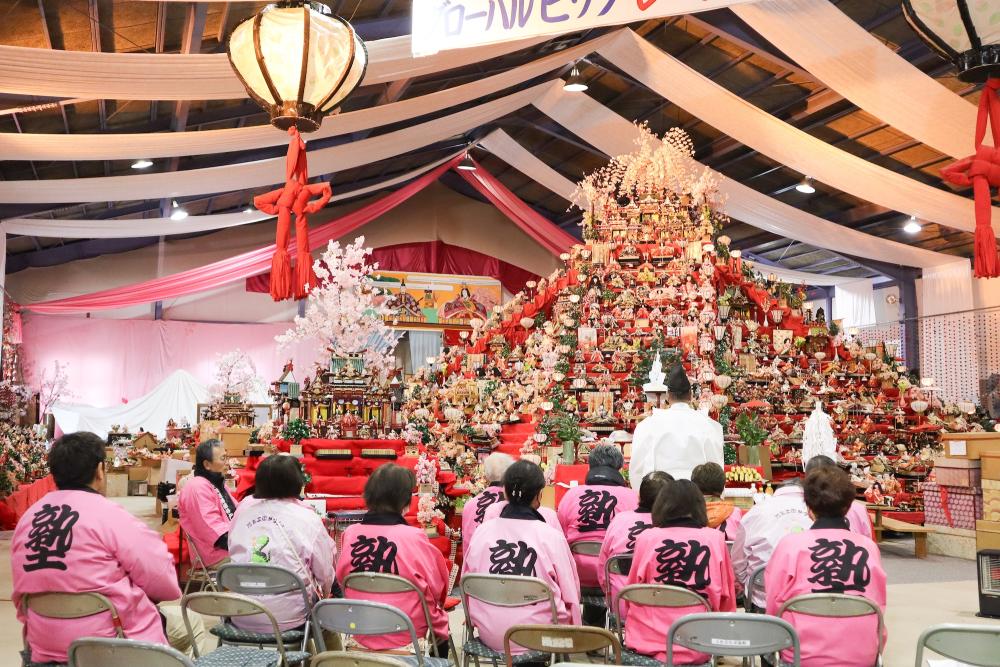
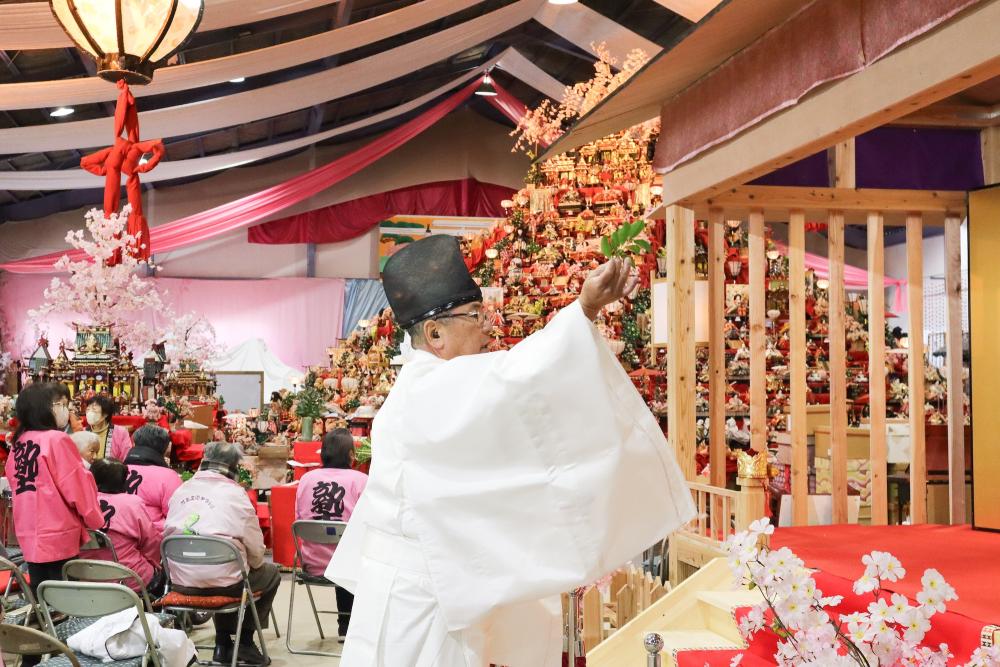
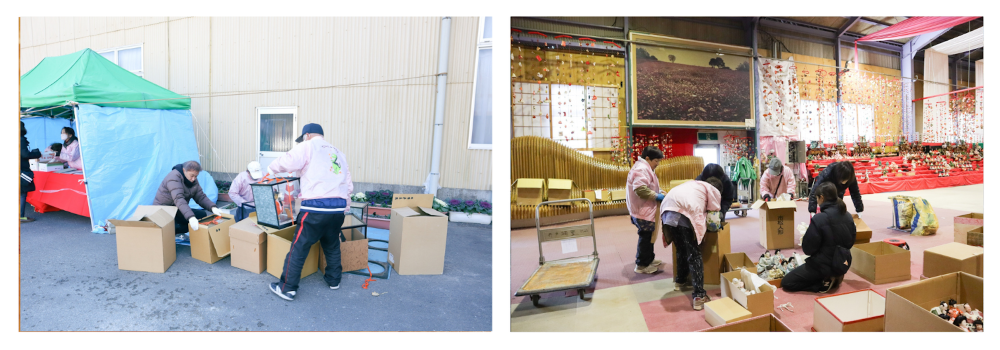
Mr. Kunikiyo and his team realized that many families displayed their Hina dolls every year while their children were young. Once the children grew up and left home, however, the families kept the dolls tucked away, unsure of how to properly part with them. Recognizing this, the team decided to hold a kuyo, a traditional Japanese memorial service, for the collected dolls.
“These dolls have protected the health of children, acting as substitutes to absorb any misfortune that might have come their way. We felt it was essential to honor that, and to this day, we hold a memorial service every year to express our deep gratitude to the dolls."
Continuing to surprise people with new ideas
The Big Hina Matsuri has a different theme every year. Past themes have included "Words to Send to the Hina Dolls" and exhibits based on the Olympics and World Expositions. In 2026, the venue will feature a large, palace-style Hina doll display.
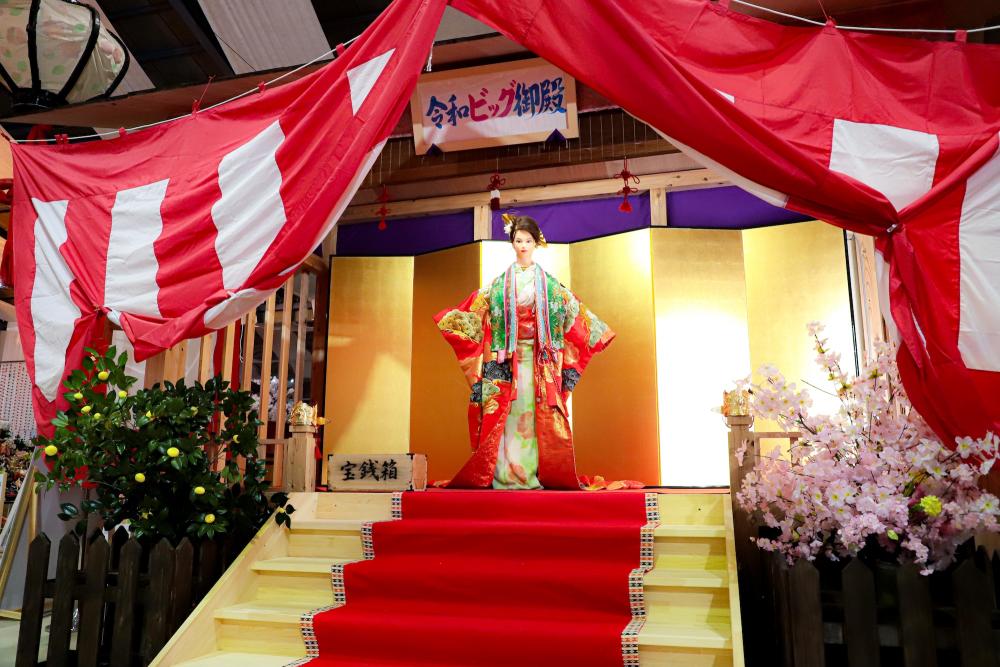
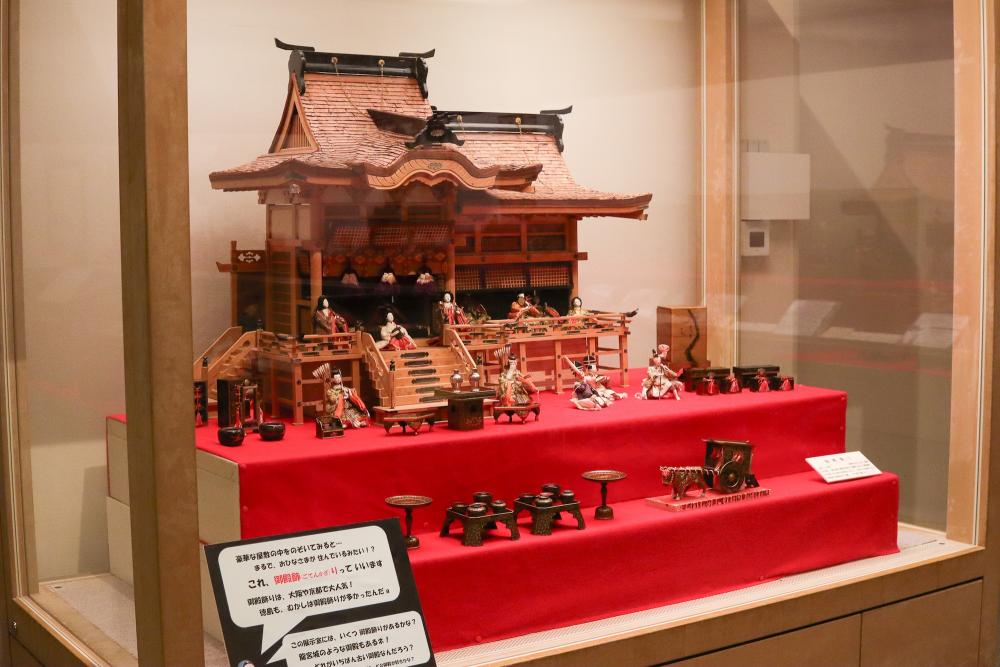
“The reason we're using Goten-kazari (palace-style decorations) this year relates to the history of mandarins in Katsuura Town. Around 1955, the production of mandarins in Katsuura reached its peak, making the area very wealthy. Around that time, families who had a baby girl would receive a Goten-kazari as a gift."
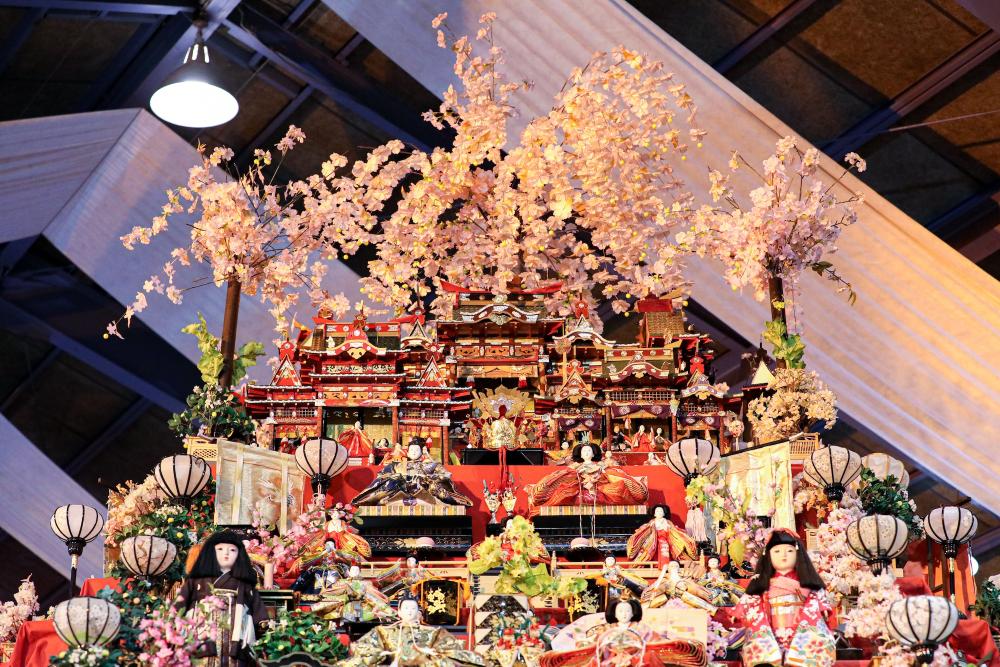
The Goten-kazari style involves arranging Hina dolls inside a structure resembling the Kyoto Imperial Palace. This style was popular mainly in the Kansai region from the late Edo period to the Showa era. It was also the dominant style of Hina doll display in Tokushima until around 1955.
The presence of many Goten-kazari purchased by wealthy families in Katsuura Town shortly after the war clearly demonstrates the prosperity of that time.
Katsuura Town will celebrate its 70th anniversary in 2025. We wanted to revitalize Katsuura further with a Goten-kazari to symbolize the town's recovery. With this sentiment in mind, we planned the 'Reiwa Big Goten.'
Bringing Hina dolls to the world
Takeo Tonokawa, the first head of the local community group Idobata Juku, named it the "Global Big Hina Matsuri," or Doll Festival. Kunikiyo recalls that Tonokawa had a keen international perspective and a global outlook.
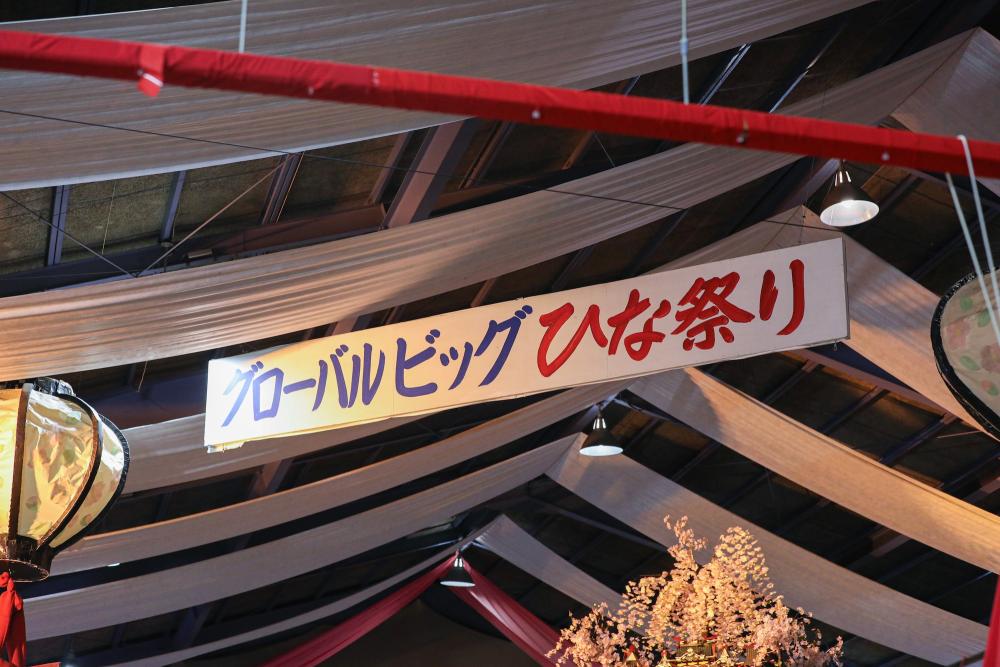
In fact, the "Big Hina Matsuri" has expanded its reach across the globe. During the 2016 Rio de Janeiro Olympics and Paralympics, a special exhibition was held at Japan House, the official hub for Japanese culture and information. Approximately 3,000 dolls were transported from Japan by ship, and three Idobata Juku members traveled to Brazil to personally arrange the massive display.
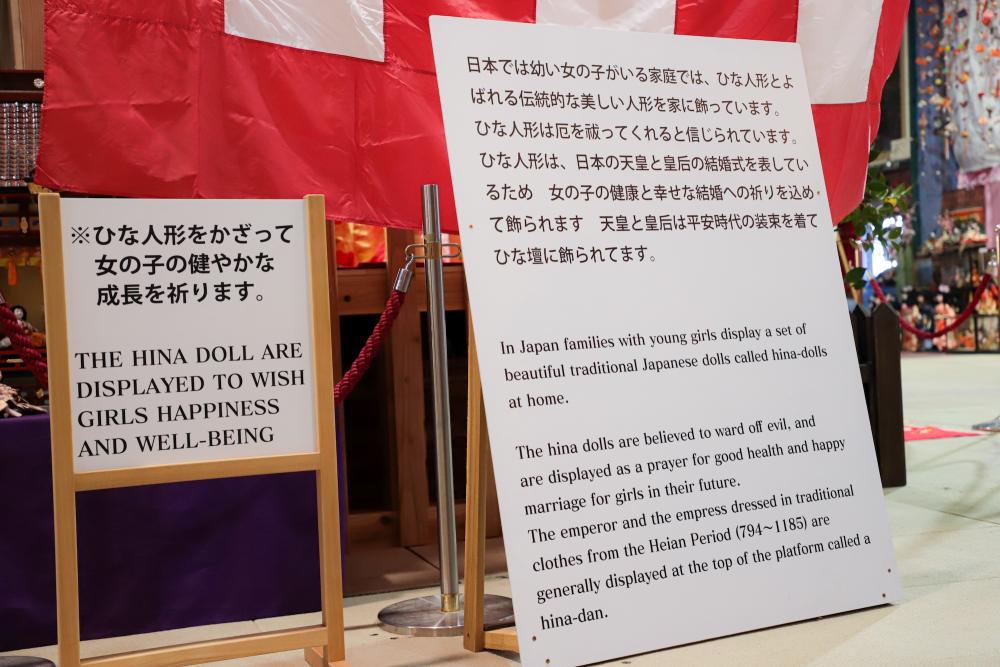
Starting in 2026, the venue will feature English signage and guidance. This new initiative will ensure that the history and rich cultural significance of Hina Matsuri can be shared more effectively with visitors from all over the world.
The Big Hina Matsuri continues to evolve year after year, so we'll definitely keep an eye on it!
The Tokushima Castle Museum's spring special exhibition, "The World of Hina Dolls," is also worth enjoying.
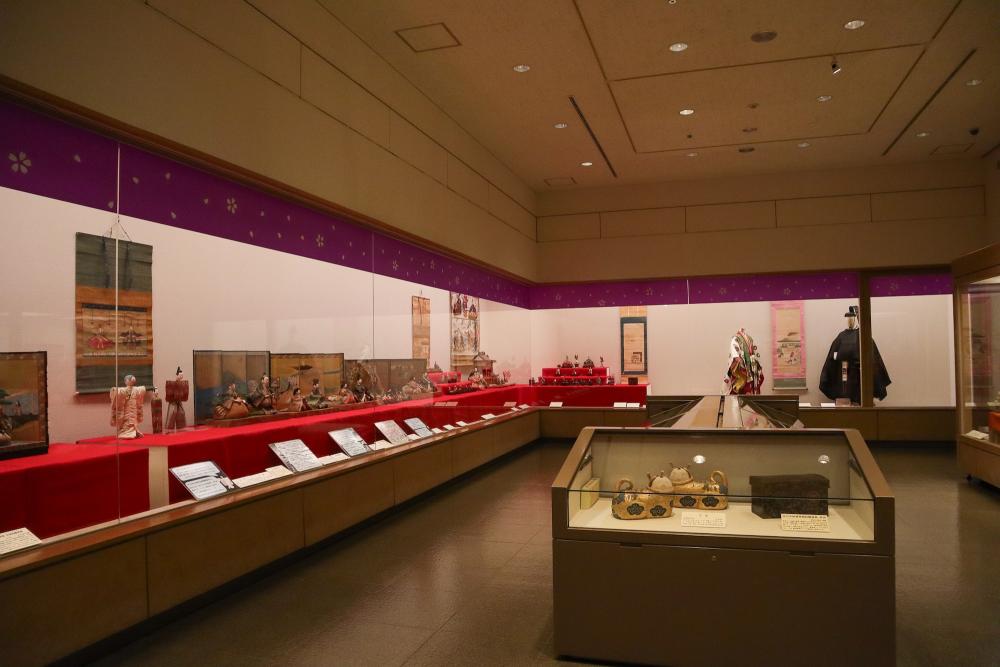
If you're interested in delving deeper into the world of Hina dolls and the "Big Hina Matsuri," a visit to the Tokushima Castle Museum in Tokushima City is essential. Since 2001, the museum has hosted a special Hina doll exhibition every spring.
The collection showcases the origins of the tradition with pieces like "Amagatsu," dolls placed by a child’s bedside as protective substitutes, and "Tachi-bina," or Standing Dolls, which capture the essence of "Hiina-asobi," the doll play enjoyed by court noble children. Visitors can explore the vast array of styles that have evolved over time, reflecting trends and regional characteristics of different eras.
Through these exhibits, you can discover how Hina dolls were perceived and cherished throughout history. With easy-to-understand explanations, the museum is the perfect place for families to experience Hina Matsuri culture together—a beautiful Japanese tradition that we hope to pass on to future generations.
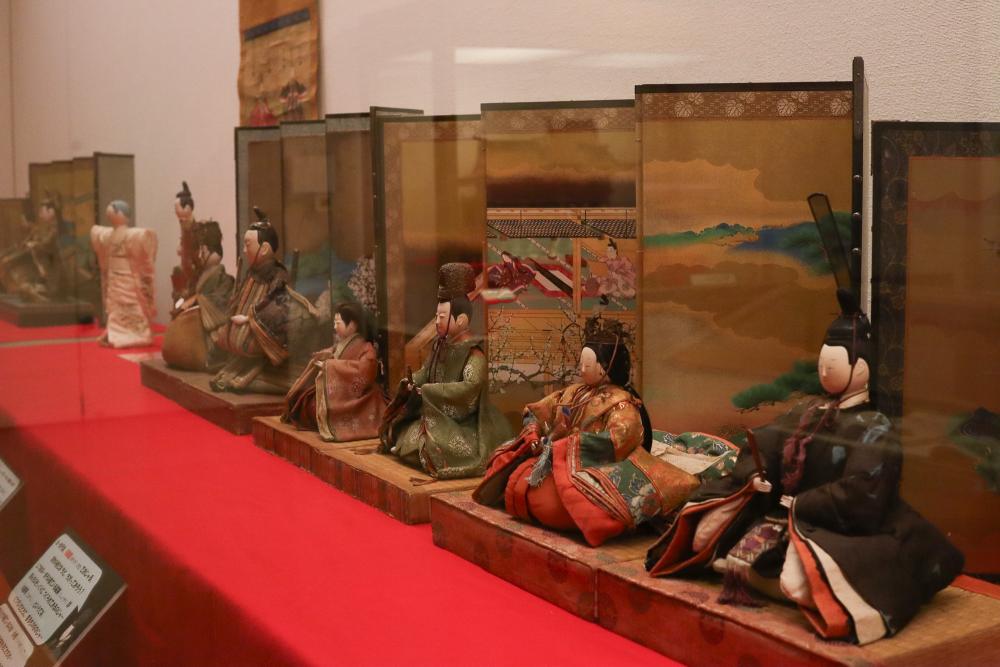
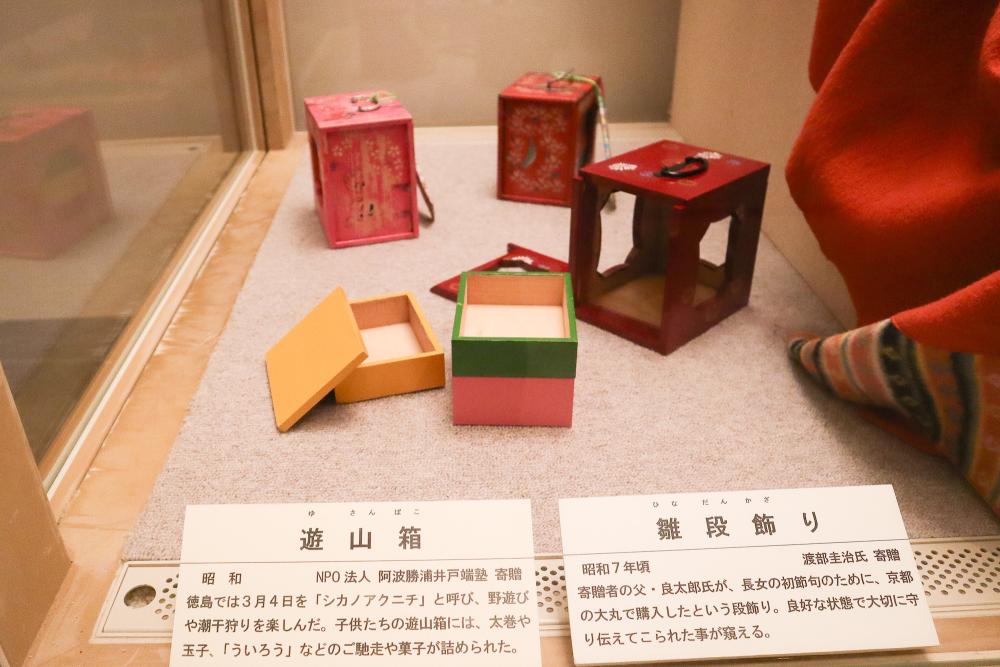
As part of a collaboration with the Big Hina Matsuri in 2026, there will be discounts on admission fees. Be sure to visit both events and compare Hina dolls from the past and present.
The 38th Awa Katsuura Original "Big Hina Matsuri"
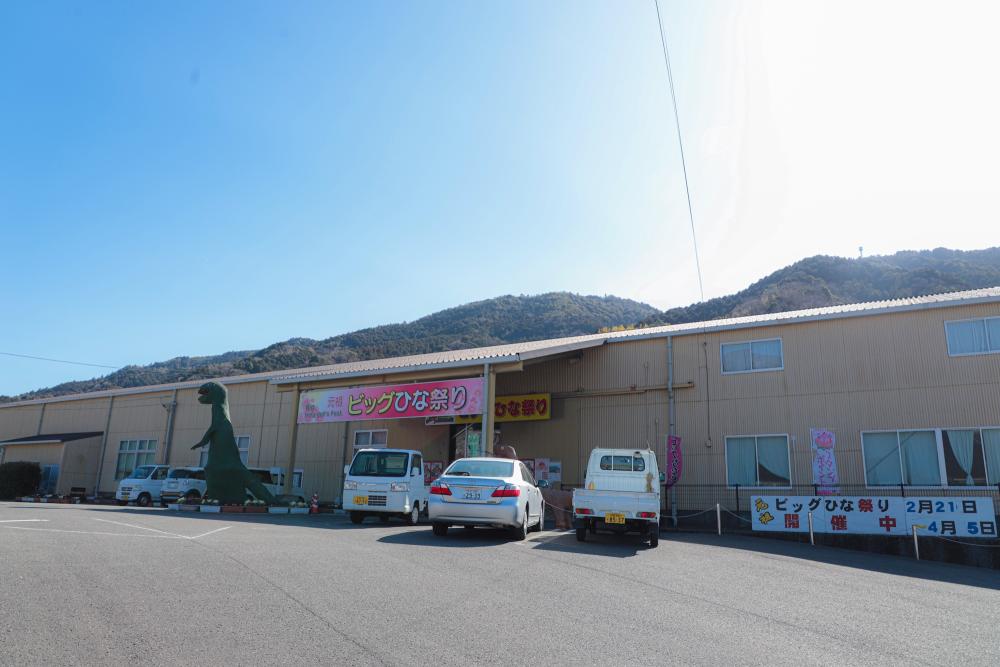
35-1 Tsukinose, Ikuna, Katsuura Town, Katsuura-gun (Doll Culture Exchange Center)
Tel: 0885-42-4334 (Big Hina Matsuri Executive Committee)
Period: February 21 (Sat) - April 5 (Sun), 2026
Opening Hours: 9:00 - 16:00
Admission Fee: Adults 400 yen, Children 100 yen, Groups (10 or more people) 300 yen
Organizer: Big Hina Matsuri Executive Committee / NPO Awa Katsuura Idobata Juku
Website: https://bighinamaturi.jp/
Tokushima Castle Museum Spring Special Exhibition for Fiscal Year 2025: "The World of Hina Dolls"
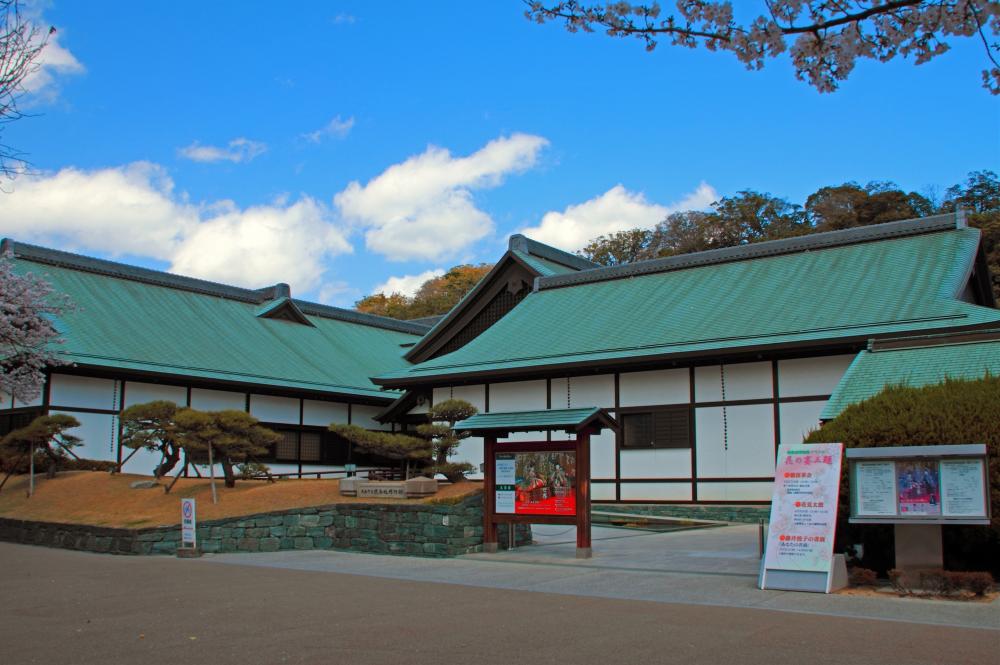
1-8 Jonouchi, Tokushima-cho, Tokushima City
Tel: 088-656-2525
Period: January 31, 2026 (Sat) - April 5, 2026 (Sun)
Opening Hours: 9:30 - 17:00 (Last entry at 16:30)
Admission Fee: Adults 300 yen, High school and university students 200 yen, Junior high school students and younger free *20% discount for groups of 20 or more
Website: https://www.city.tokushima.tokushima.jp/johaku/
Show your Big Hina Matsuri ticket stub at the Tokushima Castle Museum to get a 20% discount on the "World of Hina Dolls" exhibition admission.
Show your Tokushima Castle Museum ticket at the Big Hina Matsuri reception to get a discount on the general admission fee (400 yen) for the Big Hina Matsuri, which will be reduced to 300 yen.
These benefits are only valid during the 2026 "World of Hina Dolls" and "Big Hina Matsuri" exhibitions.